
Sustainability
Our approach to sustainability
McCallum Bros Ltd and the wider McCallum Group are committed to our Corporate Social Responsibility, within our community and further afield. It shapes how we extract, the vessels we run, the coast and islands we work around and the communities we are part of. As a family business operating since 1904, looking after these things is part of building a business that lasts.
Sustainability at McCallum Bros
Sand is a vital resource for New Zealand’s construction and infrastructure. Our job is to make sure it stays available, and that the aggregates we supply are obtained with the least possible adverse effect on the environment, meeting the needs of today without compromising the ability of future generations to meet theirs.
For our quarry and sand extraction permits we carry out regular, stringent monitoring to make sure we meet or exceed our consent conditions. For our marine consents this includes bathymetric work on the seafloor and marine biota, and beach surveys to monitor changes in beach volumes.
Extraction methods
How we extract sand
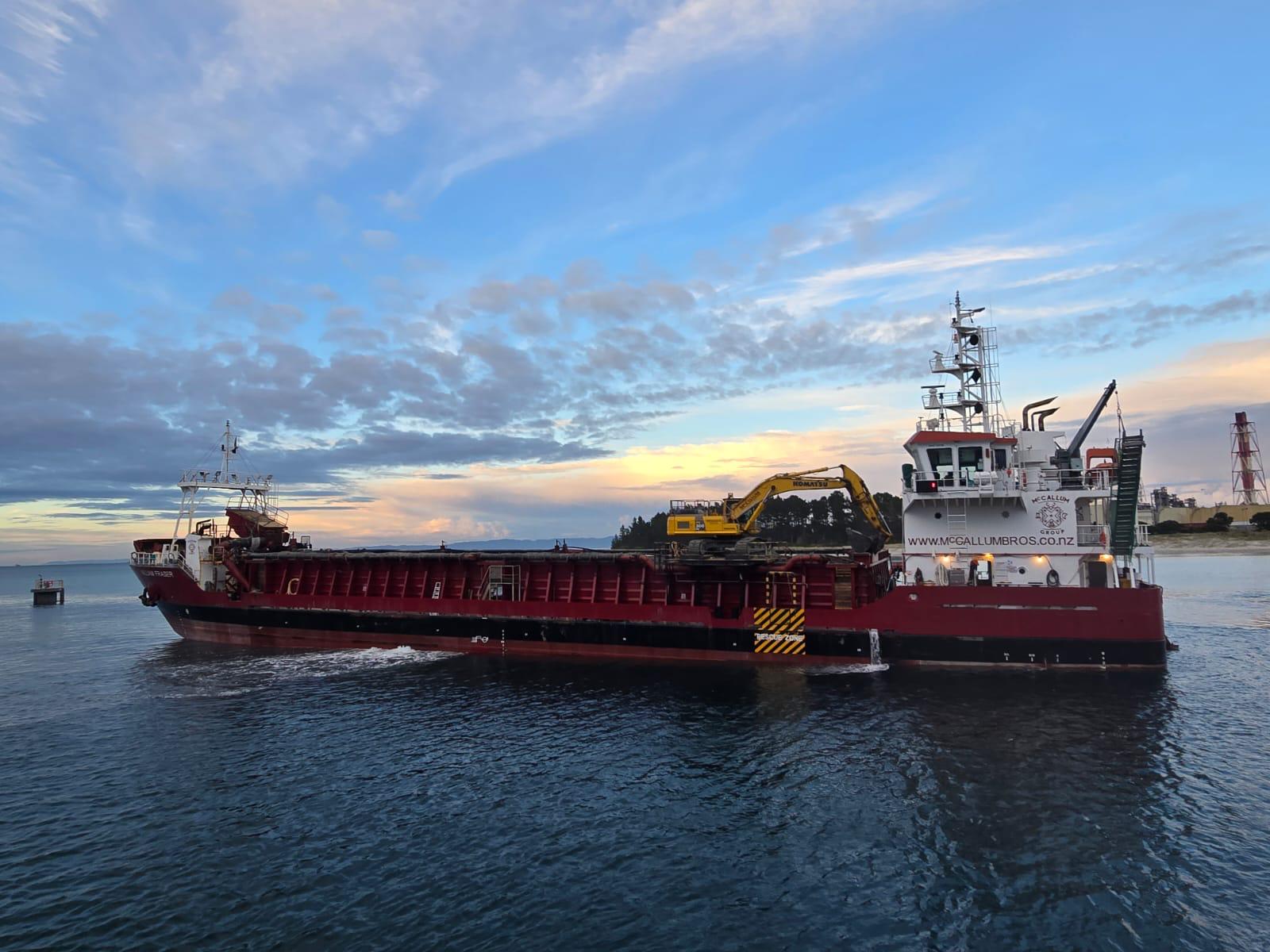
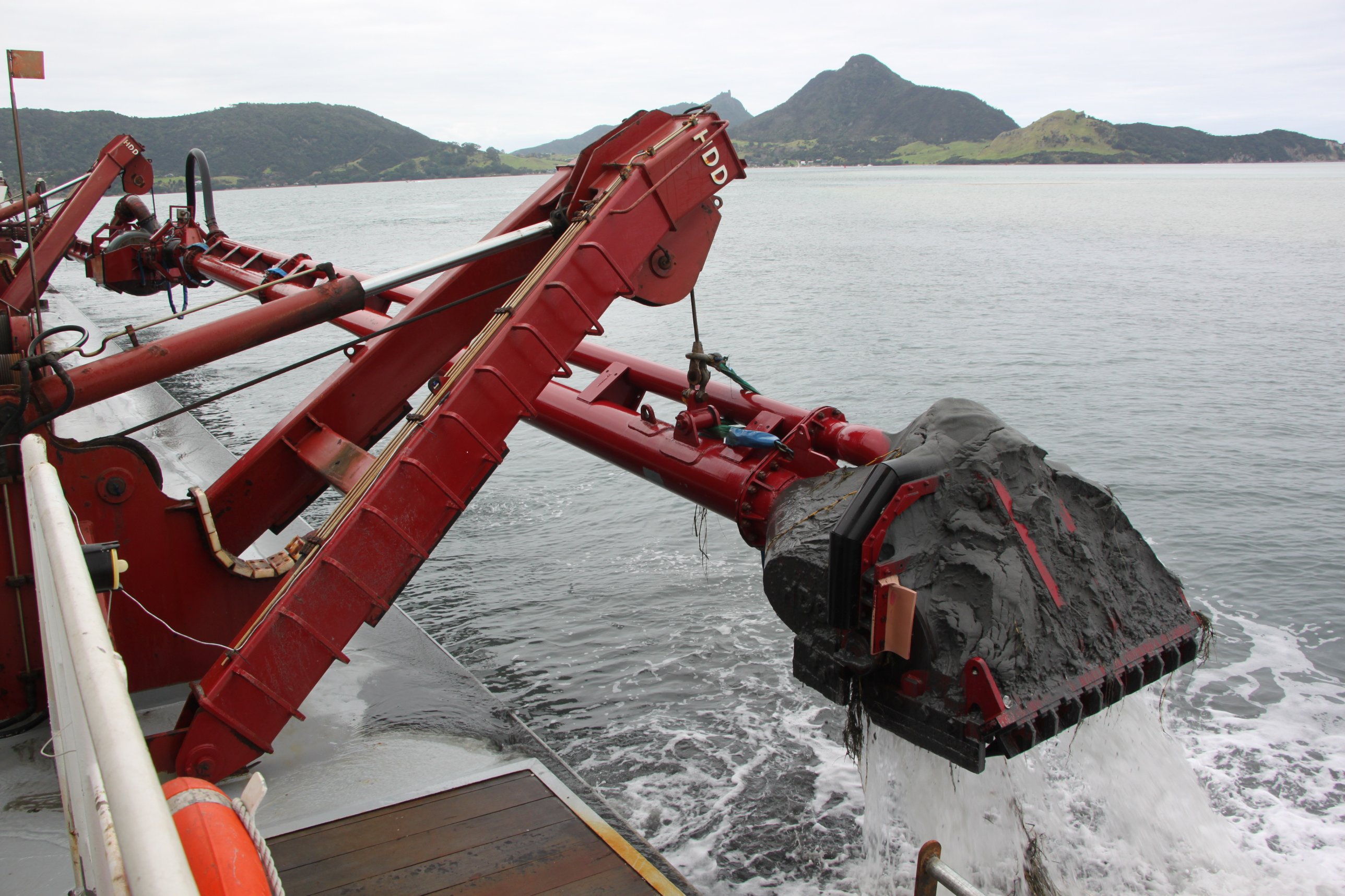
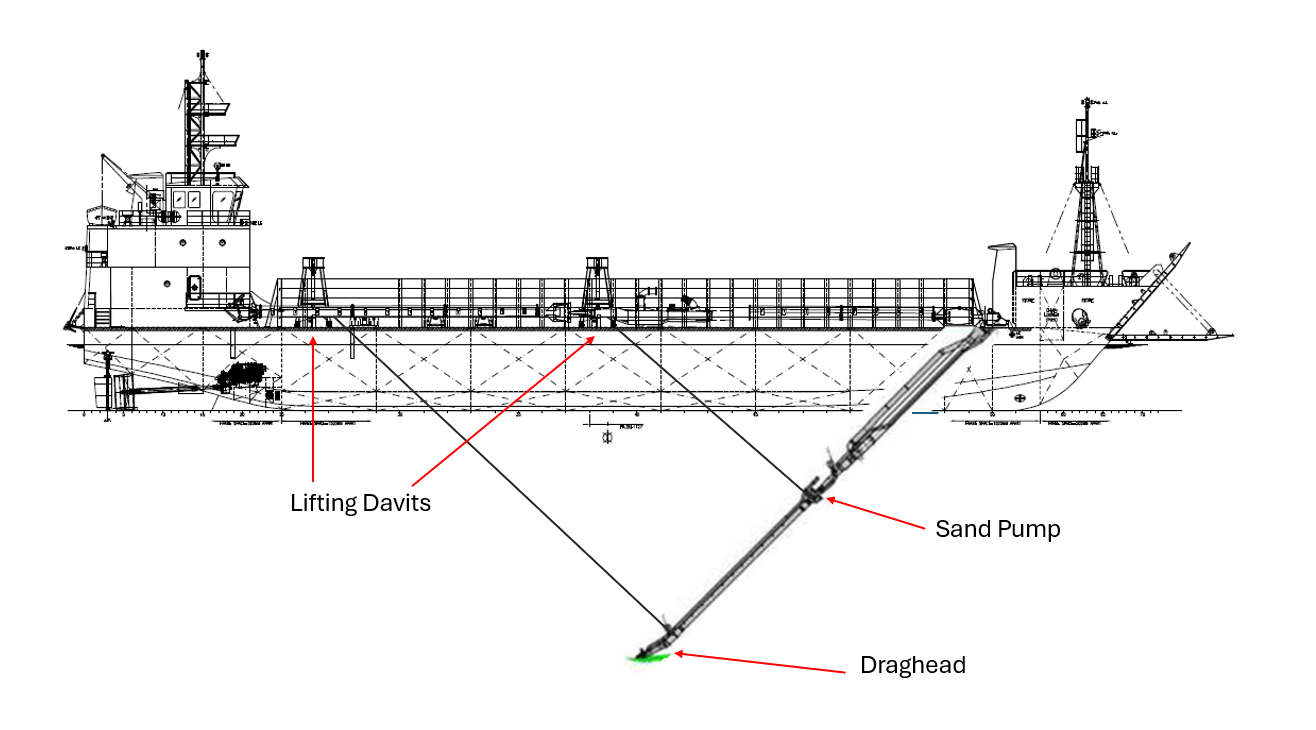
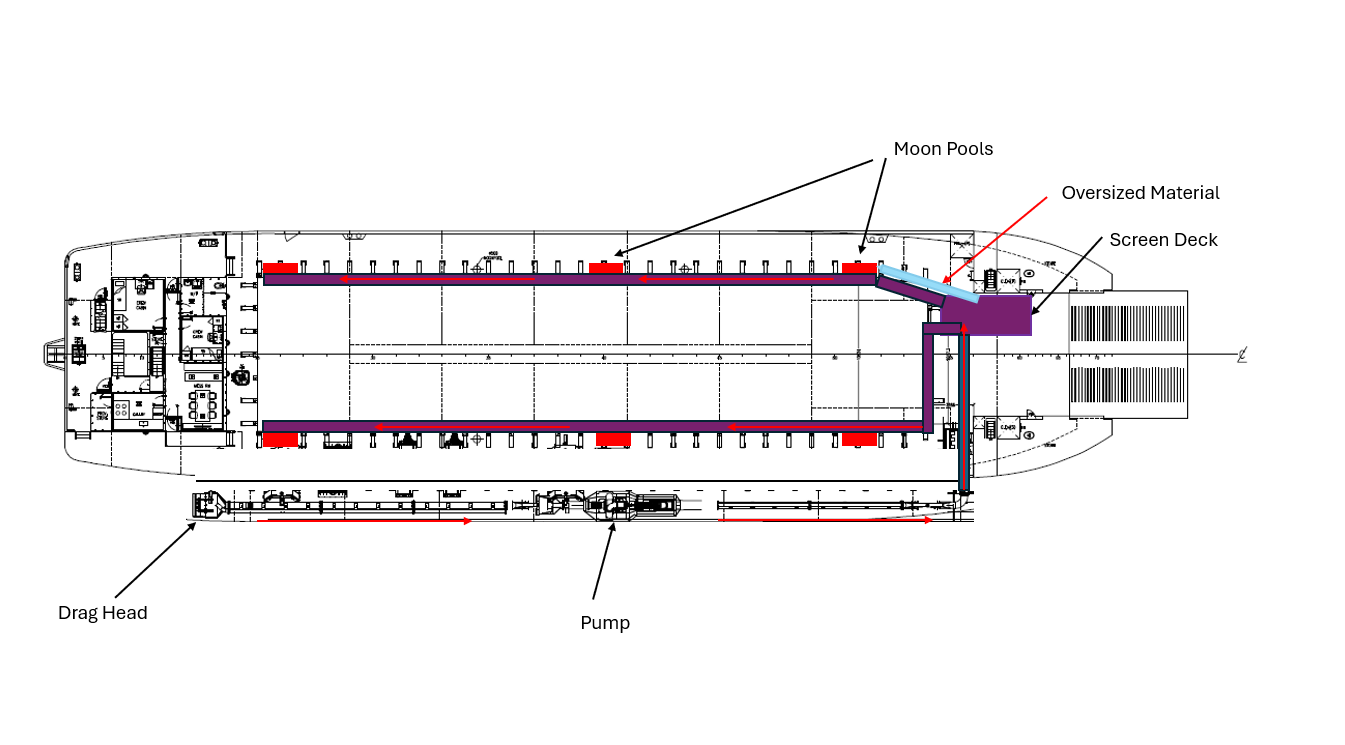
McCallum Bros Ltd uses trailing suction methods to extract sand in its consented areas. Sand and water are picked up off the seafloor and pass over screens, which screen the sand into the hopper below while oversized material passes straight back into the ocean.
The sand settles in the hopper as the speed of the water and sand mix slows, and the water passes over weir boards back to the Coastal Marine Area.
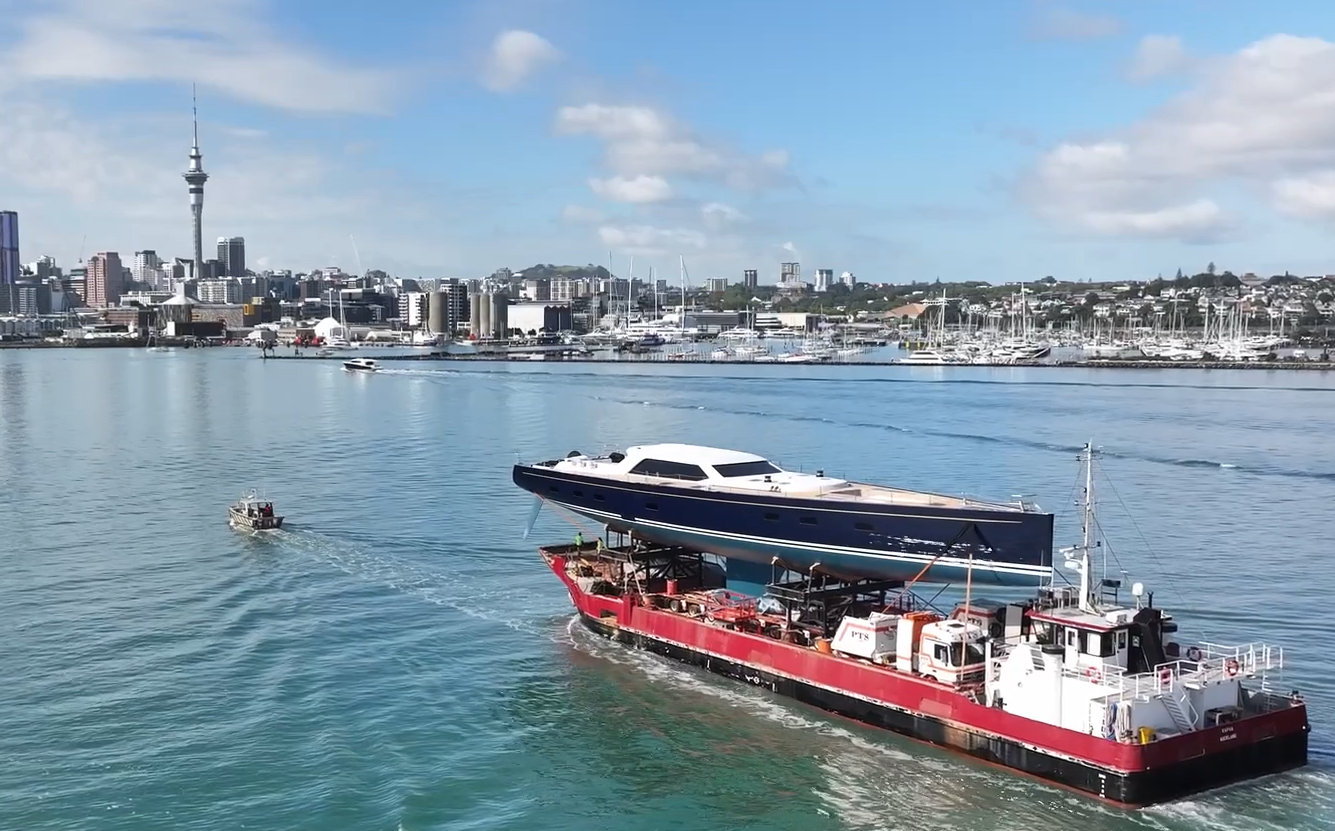
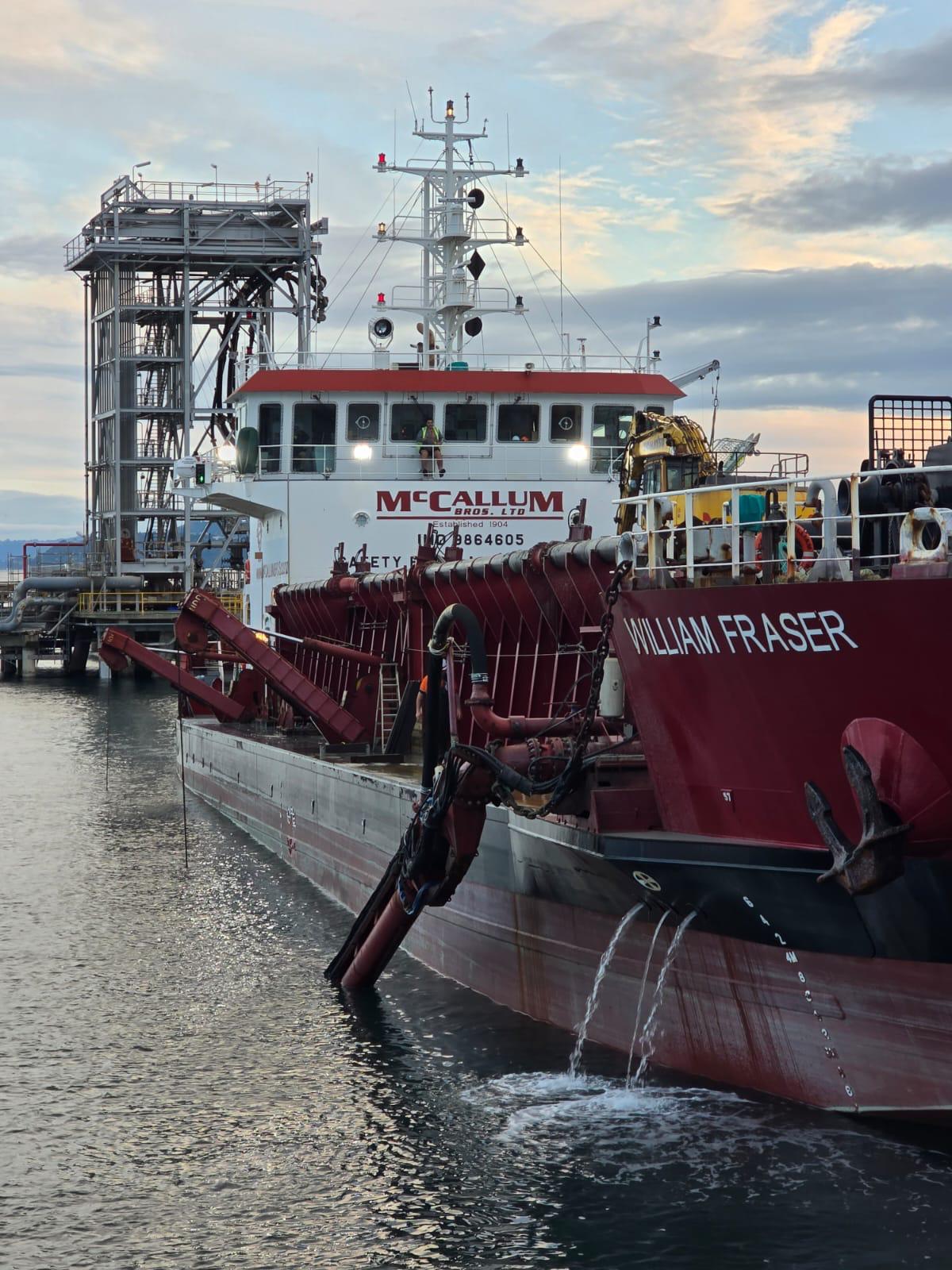
The William Fraser
Sustainability on board: a cleaner, quieter vessel
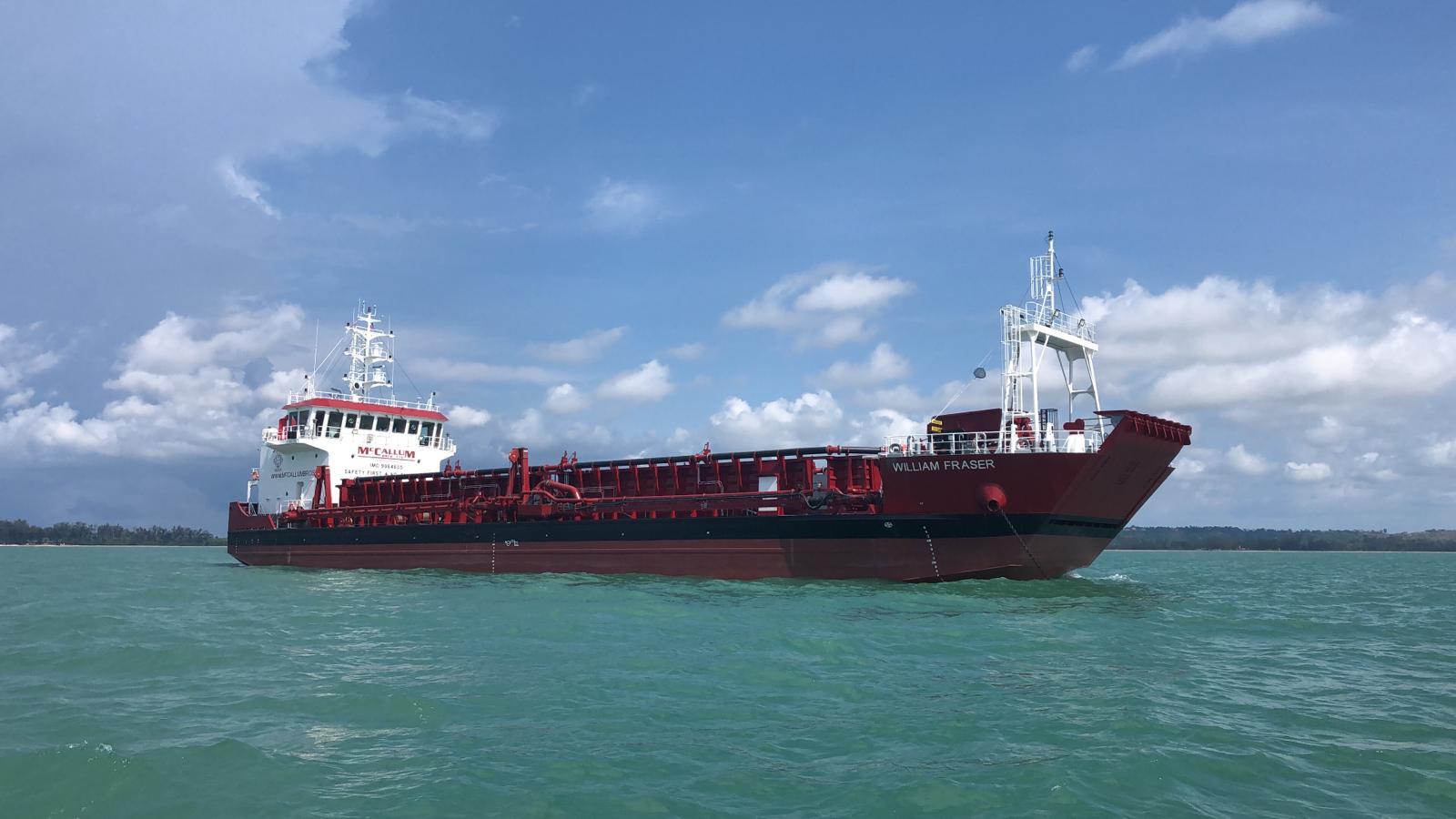
With the arrival of our dredging vessel, the William Fraser, in September 2019, we took a big step in improving efficiency and minimising the impact of our activity. She uses the latest Dutch dredging technology, as the Dutch are the global leaders in dredging gear designed to minimise environmental impact.
The vessel has improved screening gear plus moon pools, which act in the same way as green valves to reduce the turbidity generated by sediment during extraction. She also runs on some of the most efficient, low emission engines on the market, meeting U.S. EPA Tier 4 Final emission standards.
Meet the William FraserBiosecurity
Protecting the Hauraki Gulf
McCallum Bros Ltd follows and supports the biosecurity requirements set out by Auckland Council and the Department of Conservation.
The Hauraki Gulf is a nationally significant marine park. Many of its islands are pest free or partially pest free, making them home to some of New Zealand’s rarest and most endangered species, such as tuatara, takahē, shore plover and kiwi. The islands are also recovering naturally as birds reintroduce themselves to these safe havens. It is important to keep them pest free, and we need your help.
Pests threaten New Zealand’s native wildlife
Essential advice for clients: check your gear
Pest animals and plants can invade our islands by stowing away in your footwear, gear or boat. Rats can squeeze through a 12 mm gap and mice through a 7 mm gap. Insects can hide in your bag, and weeds, seeds and soil can cling to your clothing and shoes.
- Pack and seal all food in plastic containers with lids. Close and tape cardboard boxes so no pest can get in during transit.
- Make sure all footwear and gear is clean and free of soil.
- Thoroughly check camping or overnight gear for stowaways. Gear that sits in storage is high risk.
- Check seedlings, potting mix and plant matter for hitch-hikers.
- Seal your gear and food as soon as you finish packing, and keep it closed until you reach your destination.
Without your co-operation your trip may not be able to go ahead. If you have any doubts or questions about biosecurity, please ask us.

Health and safety
Health and safety policy
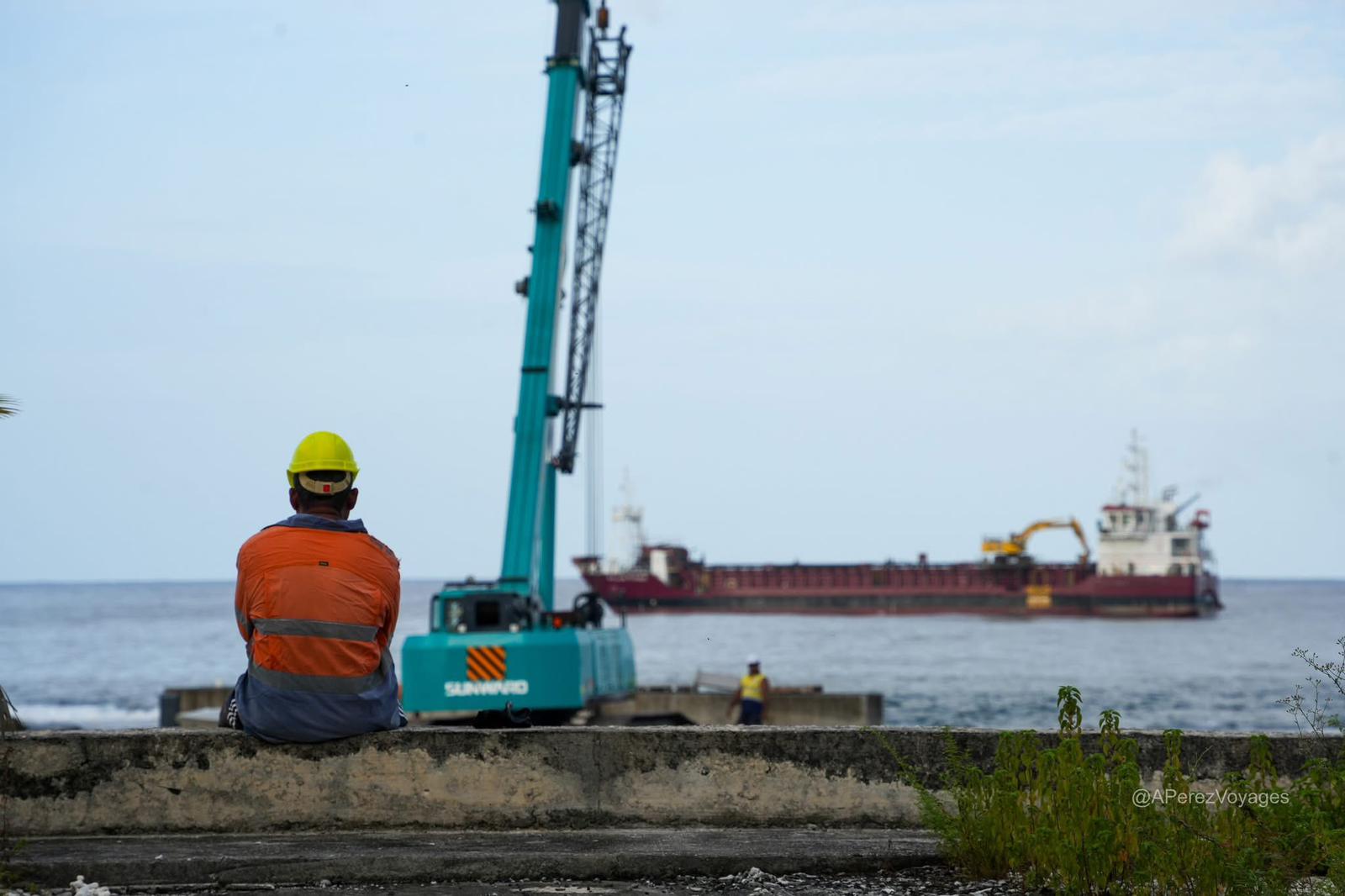
McCallum Bros Ltd is committed to providing and maintaining a safe and healthy workplace for all staff, and to providing the information, training and supervision needed to achieve this.
In carrying out our work, we will
- Take all practical steps to make sure tasks are done safely and without harm to our workers, contractors, customers and the public
- Work to eliminate any situation that could lead to injury or occupational illness, and where a hazard can’t be eliminated, isolate or minimise it
- Establish safe working conditions and make information and control measures for workplace hazards available
- Encourage all employees and subcontractors to take the initiative in anticipating, preventing and correcting conditions or practices that could cause harm
We take responsibility for our health and safety procedures, and we ask all staff, and anyone working with us, to share our commitment to zero accidents and to meeting the requirements of the Health and Safety at Work Act 2015.
Every employee has a part to play by
- Being involved in the workplace health and safety system
- Following correct procedures and using the right equipment
- Wearing protective clothing and equipment when required
- Reporting any pain or discomfort as soon as possible
- Making sure all accidents, incidents and near misses are reported
- Helping new employees, trainees and visitors understand our safety procedures
- Telling your manager straight away about any health and safety concerns
- Keeping the workplace tidy to reduce the risk of trips and falls
Our sites are managed, staffed and equipped to the highest practical standards. Our site specific health and safety manuals are there to prevent injury and loss of life, and to support a long term, efficient supply of aggregates to the Auckland building industry.
Support
Supporting our communities
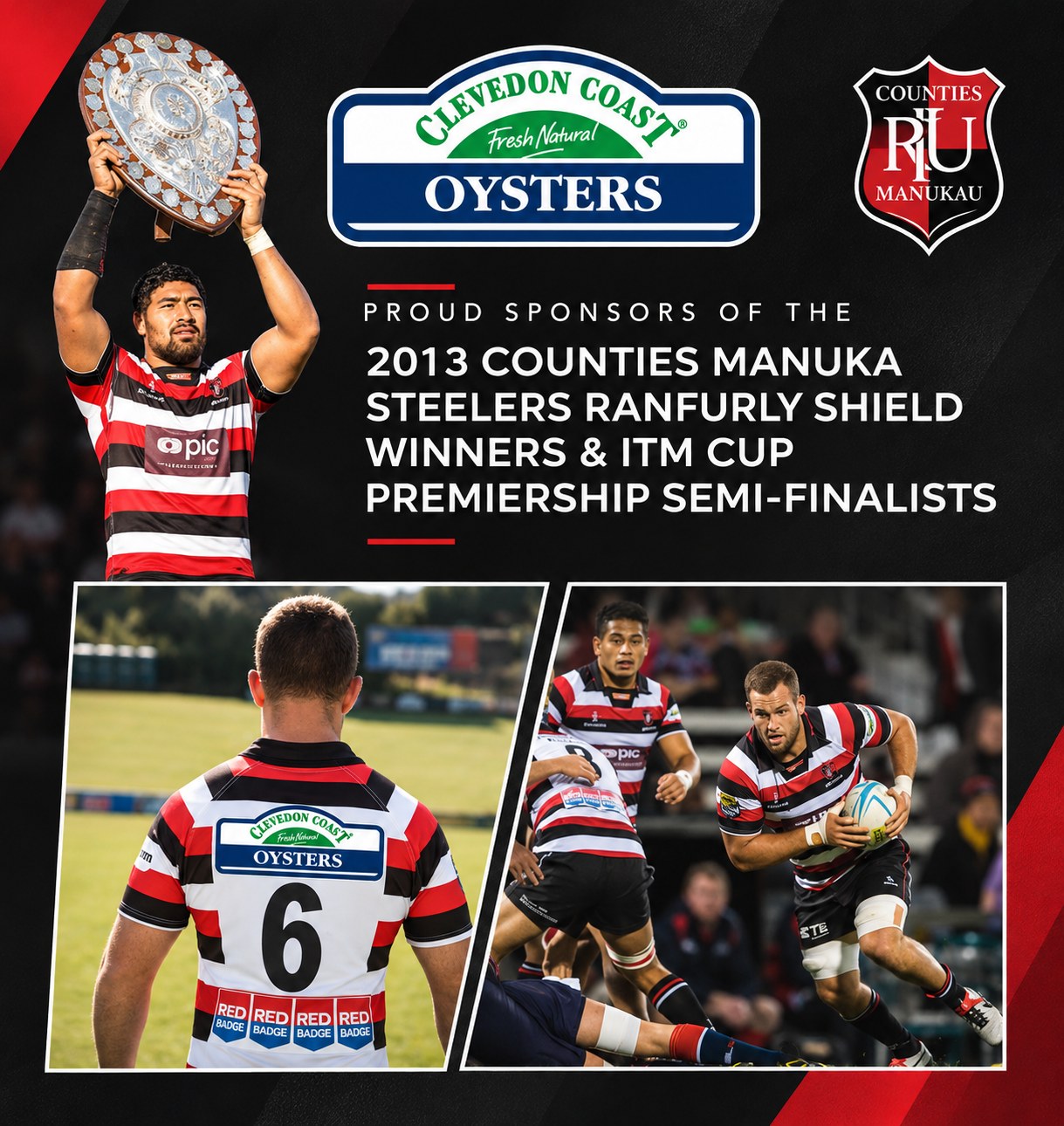
The McCallum Group supports our local communities, including:
- Ardmore Marist Rugby Club and the Counties Manukau Steelers
- Clevedon Coast Oysters® Tennis Tournament
- Clevedon Tennis Club
- College Rifles Rugby Club
- Orere Point and Clevedon Schools
- Kawakawa Bay First Aid Response Unit and Health Clinic
- Kawakawa Bay Fire Brigade
- Totara Hospice
- Johnny Walker Field of Dreams Golf Day
- Restaurant Association
Consents
How our extraction is consented
Our current consents and consenting process, and our application at Te Ākau Bream Bay.
Get in touch
Talk to us
Questions about how we work, or a community group you’d like us to know about? Get in touch.
Enquire now