
Over 120 years of family history
McCallum Bros began in 1904, when William Fraser McCallum and his three brothers formed a partnership with a single 40-tonne wooden scow. From red shingle on Pakihi Island to a 68m sand dredger, the business has grown with Auckland.
Five generations on, McCallum Bros is still 100% New Zealand and family owned.
Take a trip through time and discover more than a century of McCallum history.
Arriving in New Zealand
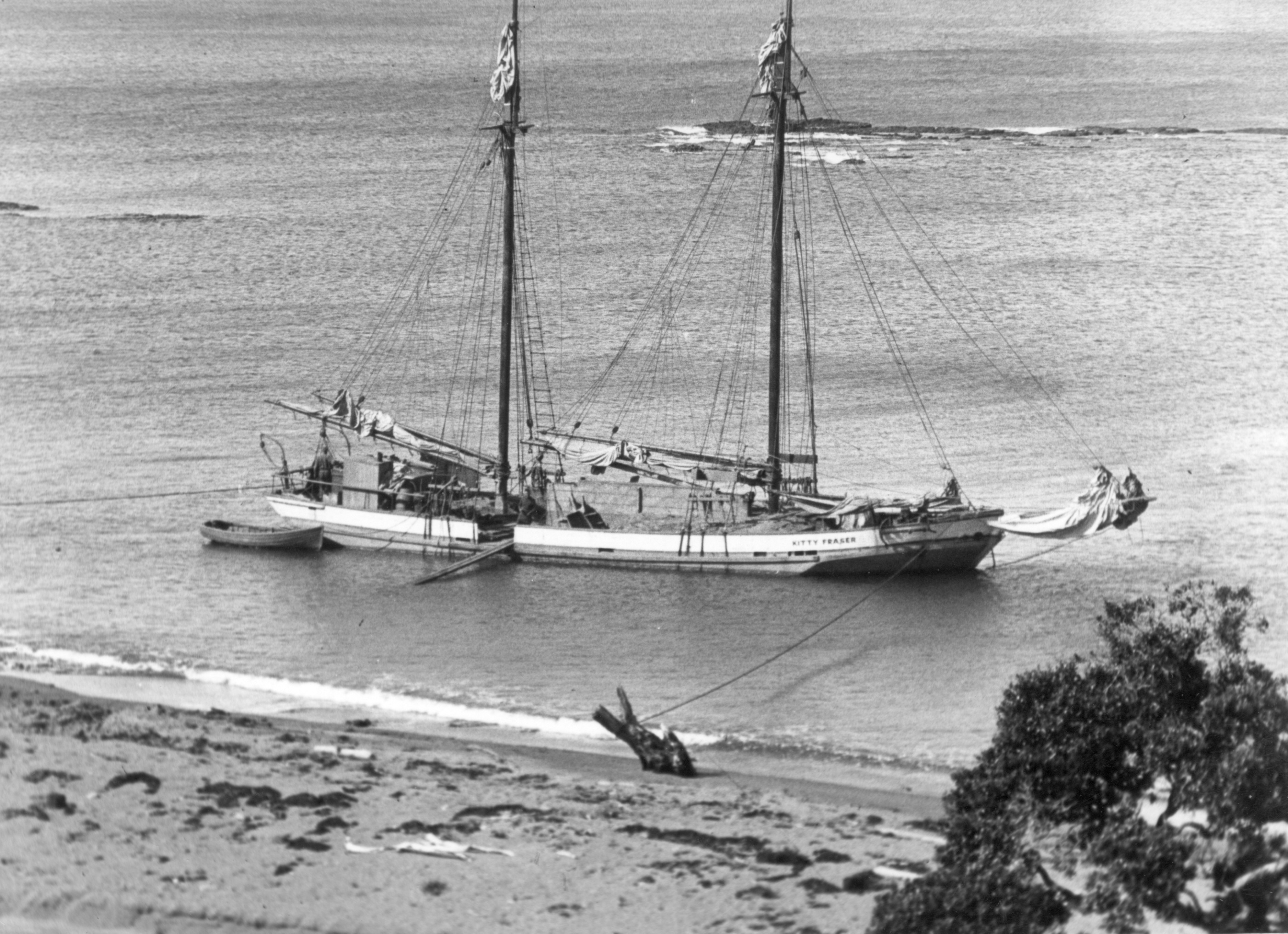
The McCallum family arrives in New Zealand and begins shipping goods around the Hauraki Gulf by scow.
The partnership begins
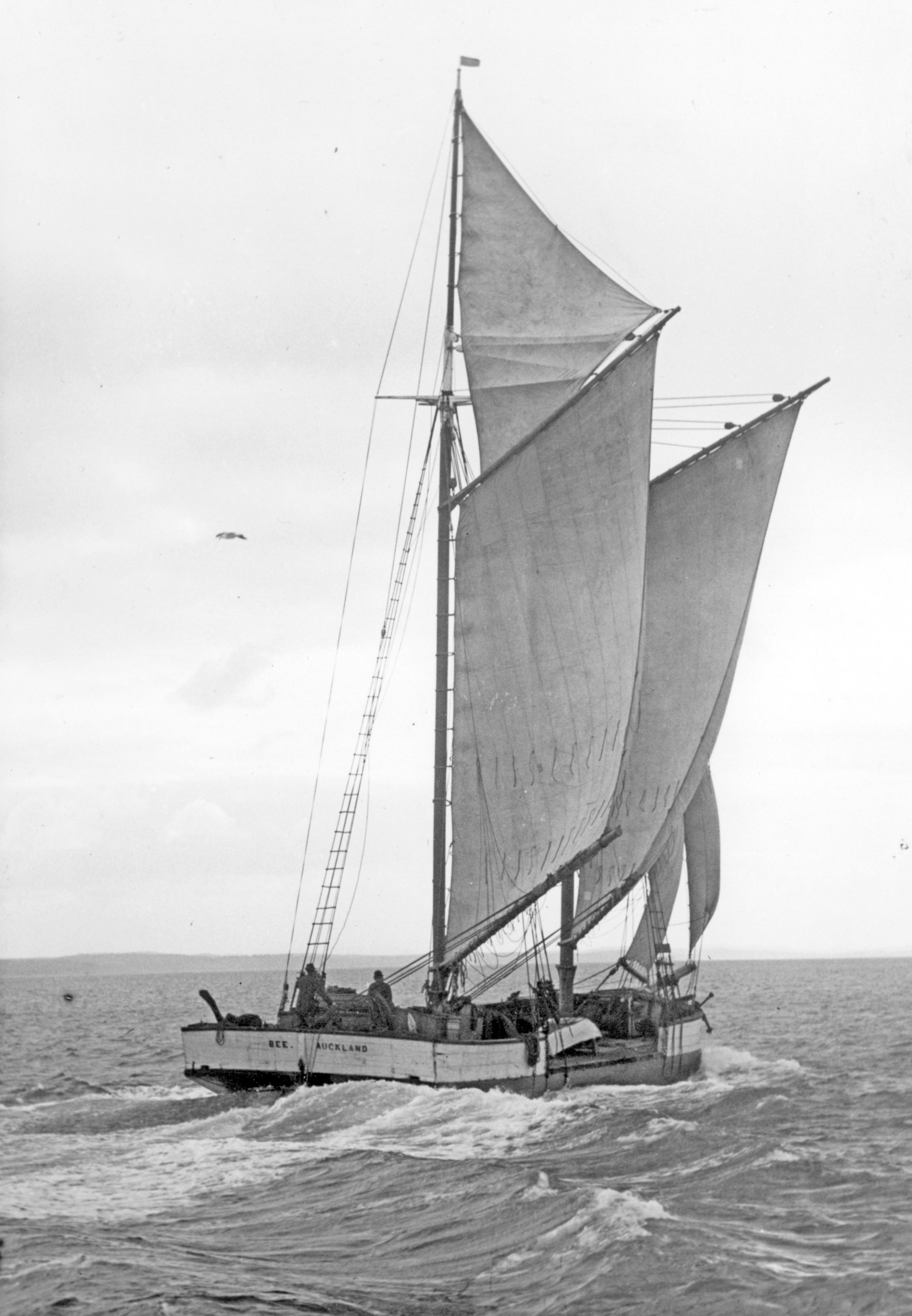
William Fraser McCallum and his three brothers form a partnership, starting out with a small 40-tonne wooden scow, the Pakihi, used for coastal trading, alongside 130 years of farming on Pakihi Island.
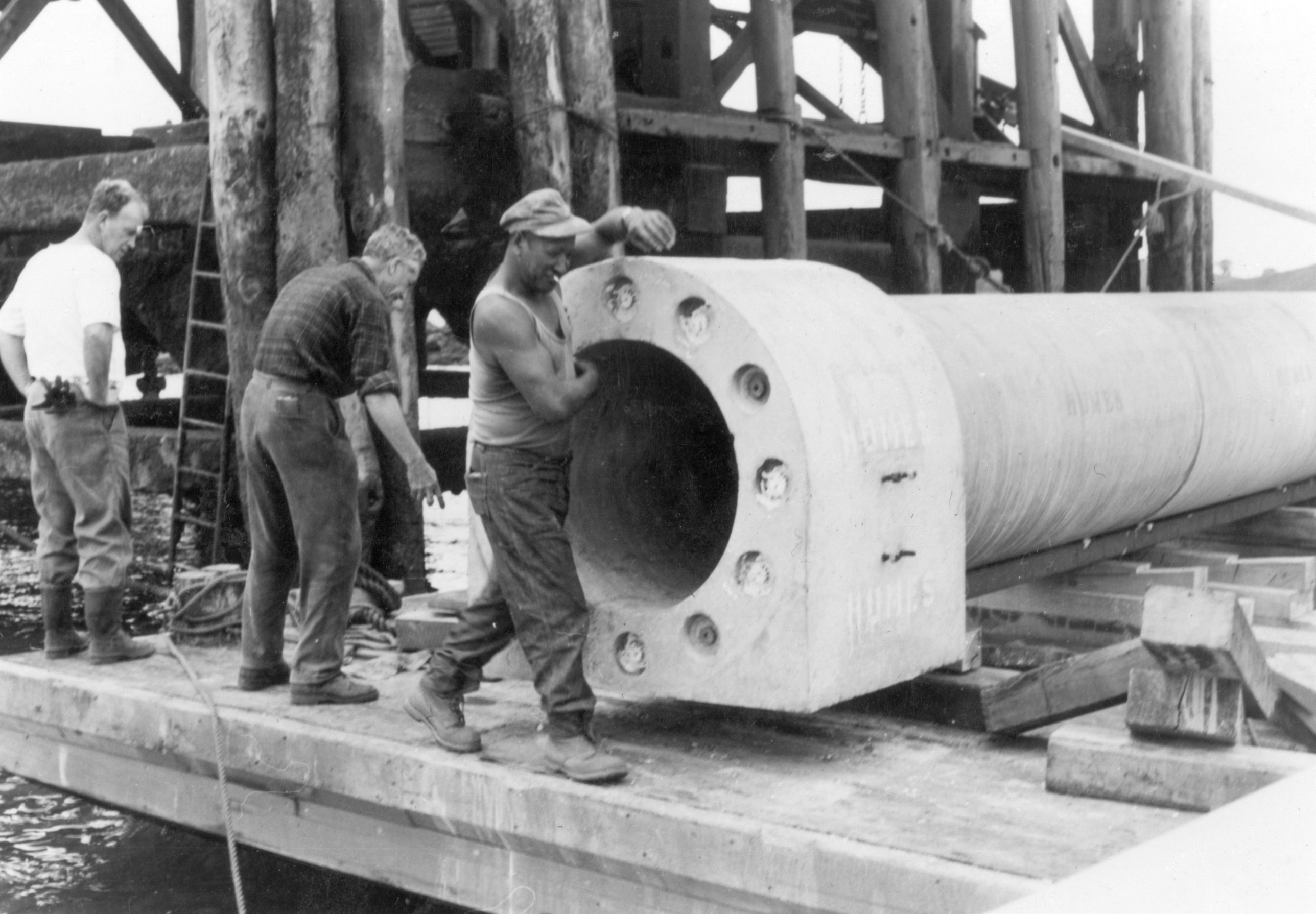
The same year, the first pre-cast concrete piles in Australasia, built for the Auckland Harbour Board, are made with McCallum shingle.
Quarrying on Pakihi Island
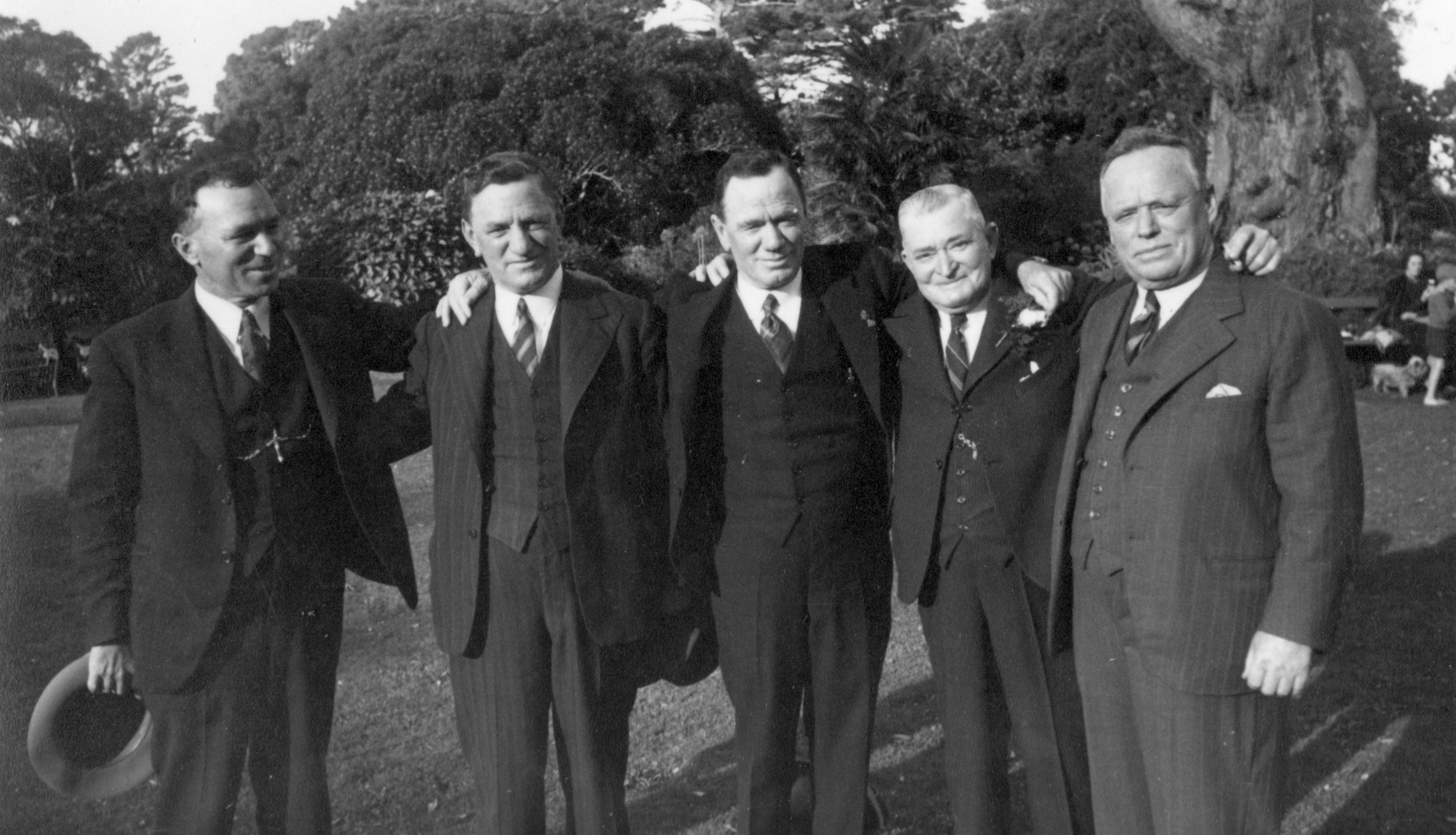
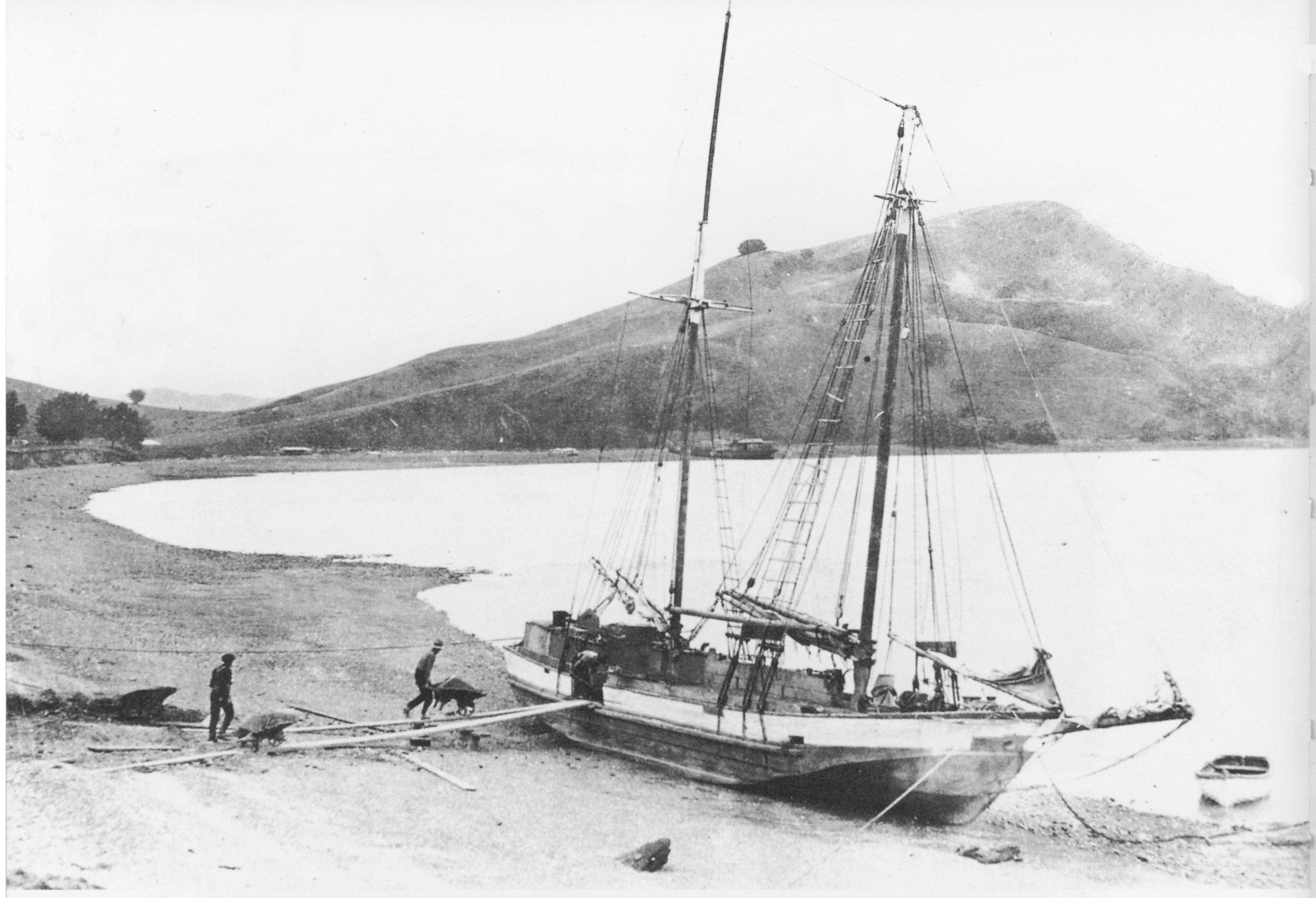
Red chert quarrying starts on Pakihi Island and runs until 1927. More scows follow as trade grows in red shingle, delivered from Pakihi Island to customers around Auckland and the Hauraki Plains.
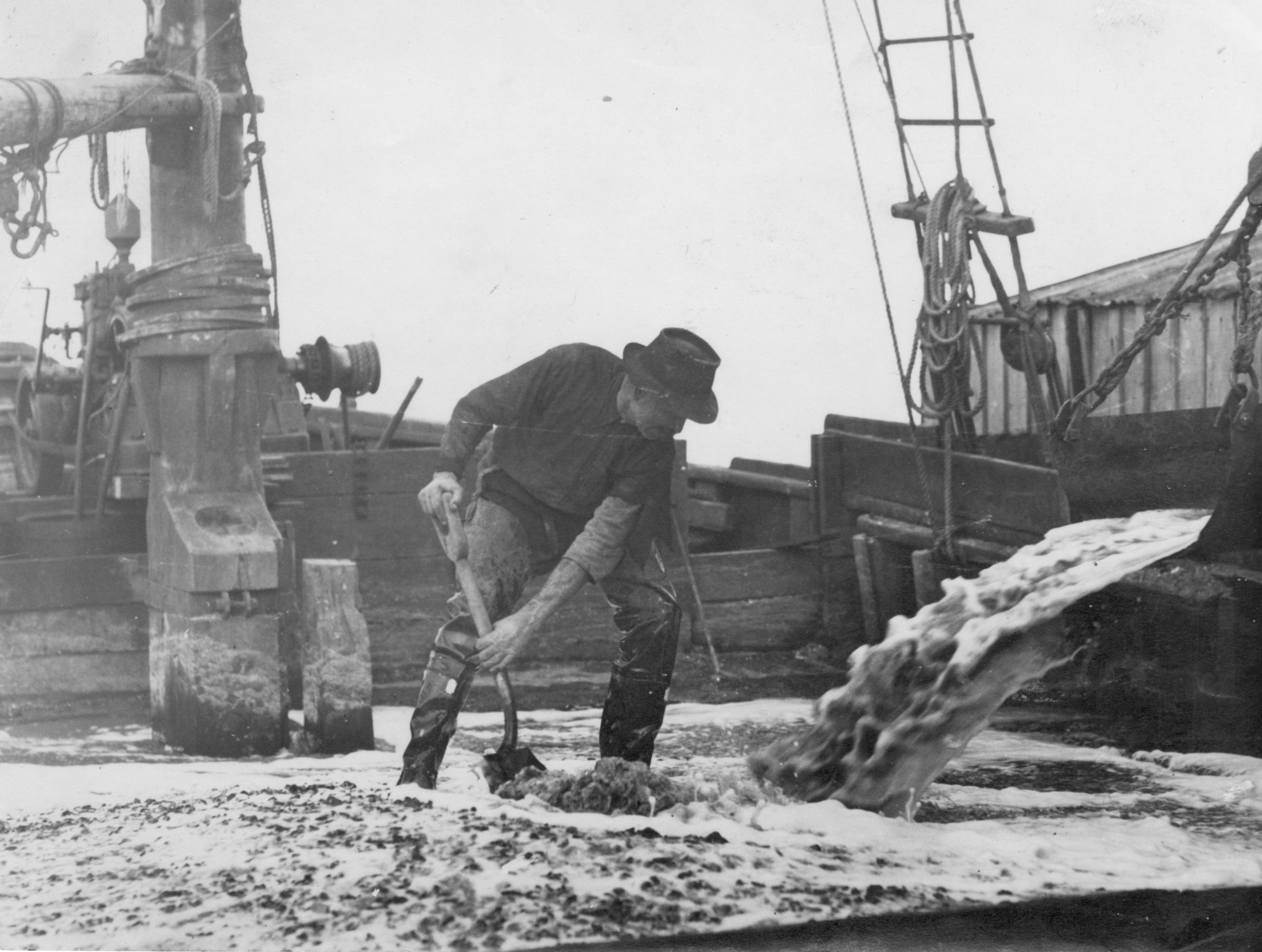
At first the shingle is shovelled into wheelbarrows and pushed up planks into the hold, until quarries are established and that hard, slow work is replaced.
Karamuramu Island quarry opens
Production starts on neighbouring Karamuramu Island, and continues to this day with reserves of several million cubic metres.
Much of the construction from Wellsford south to the Hauraki Plains uses our aggregate, delivered by scow and barge at a time when roads are poor and trucks carry little. Early projects include Grafton Bridge, the Auckland War Memorial Museum, Auckland Central Rail Station, the Newmarket viaduct and the Huia dam. Later, our aggregate goes into the Sky Tower, motorways, port wharves and housing.
See Red Rock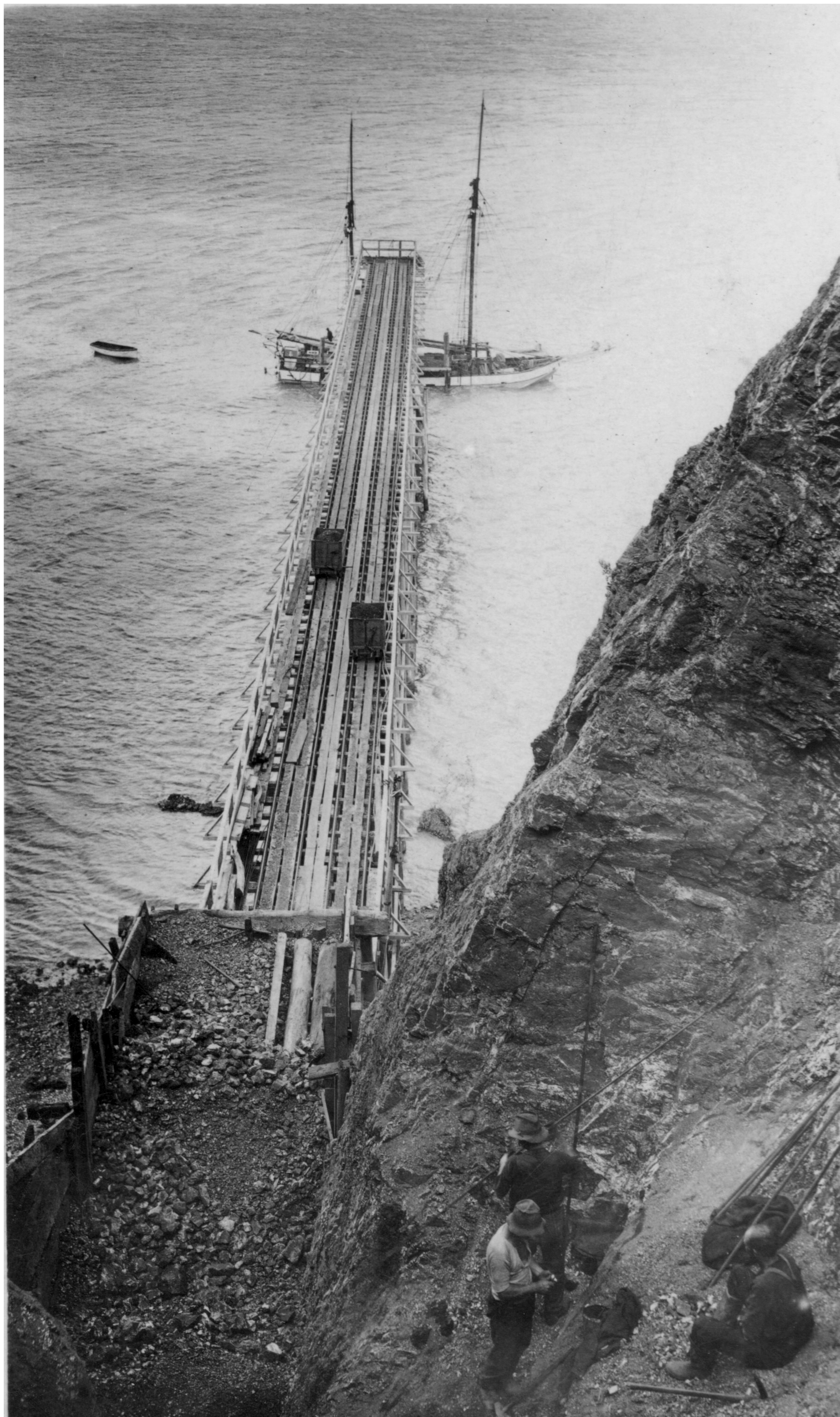
The dredger years
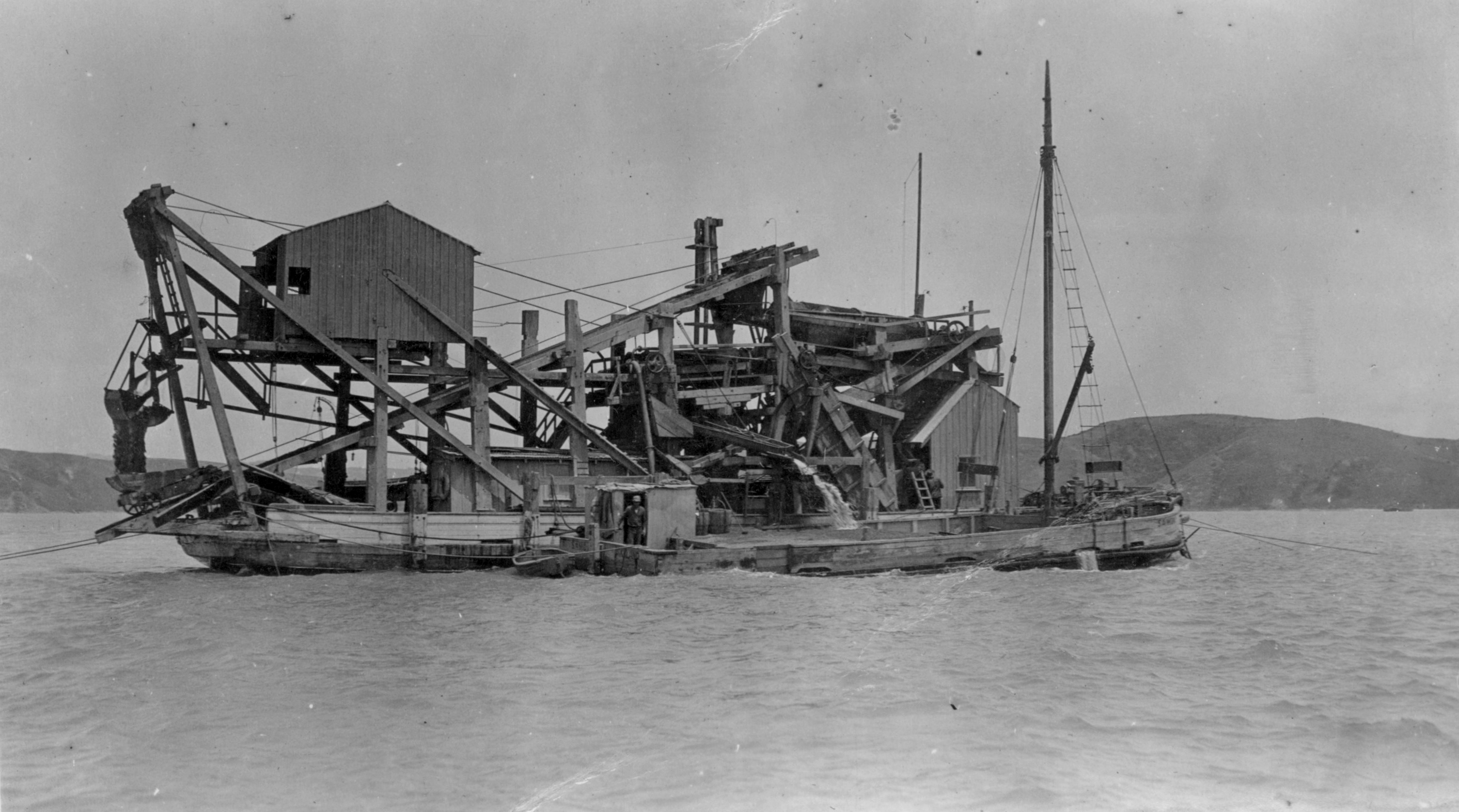
We start extracting sand before the First World War in the Waihou River on the Hauraki Plains, using shovels, planks and wheelbarrows. That sand is pumice from the Taupo area and tailings washed down from the Karangahake goldfields.
Bucket and grab dredgers work the alluvial shingle around Pakihi and Karamuramu Islands, supplying several million cubic metres for regional construction.
A move to the coast
Sand extraction in the Waihou River ends as the construction industry turns to higher quality East Coast sand, with sand also coming from Waipu, Pakiri and Mangawhai.
Over the years, scows give way to wooden tugs and barges, then steel vessels. Barrows give way to winches, grabs and cranes, and finally to dredge pumps and hydraulic excavators.
In his words
The late John McCallum (senior) talks about the history of McCallum Bros, and Pakihi and Karamuramu Islands in particular, on Country Calendar.
Callum and Jan take ownership
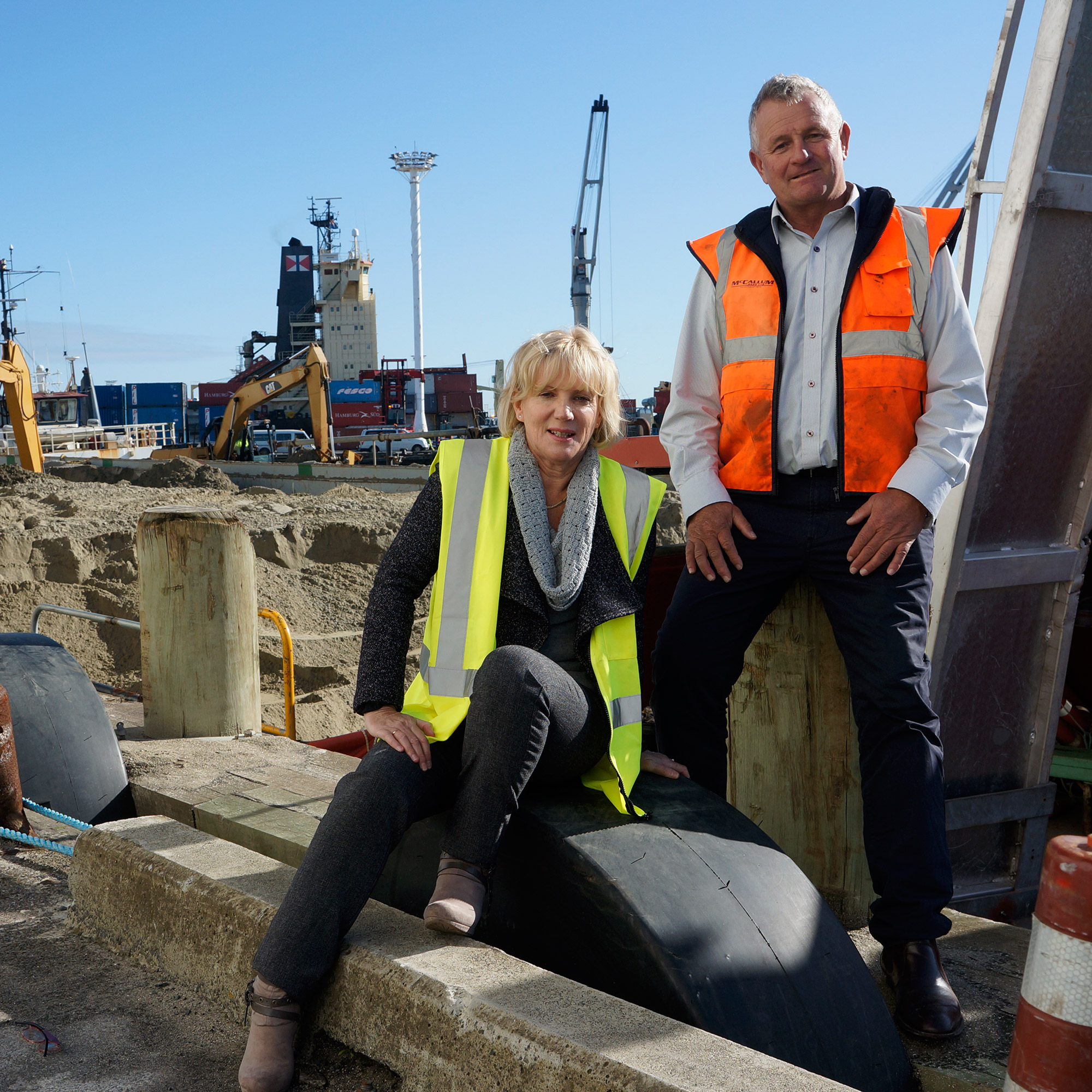
Callum and Jan McCallum take full ownership, with Callum as Managing Director and Jan managing the Group finances.
A new leadership team
Shayne Elstob returns as Chief Operating Officer of the McCallum Group, bringing experience from across the Group, including managing Clevedon Coast Oysters and The McCallum Residence.
Mike Haynes, our Operations Manager, has been with us for more than 25 years and is Project Manager for the William Fraser build, one of the biggest steps in our history.
The Marsden Bay
We acquire and restore the cement barge Marsden Bay for a contract with Golden Bay Cement.

The William Fraser
Our 68m sand dredger, named after our founder, is launched on 3 July 2019 at Berjaya Dockyard in Miri, Malaysia. Her engines meet the U.S. EPA Tier 4 Final emission standard, and her dredging gear uses green valves to keep the sediment plume to a minimum.
On launch day, Callum and Jan McCallum were joined by Mike and Leeann Haynes, Shayne and Kim Elstob, and Rob McCallum, the patriarch of the McCallum family.
Meet the William Fraser
The Chatham Islands service
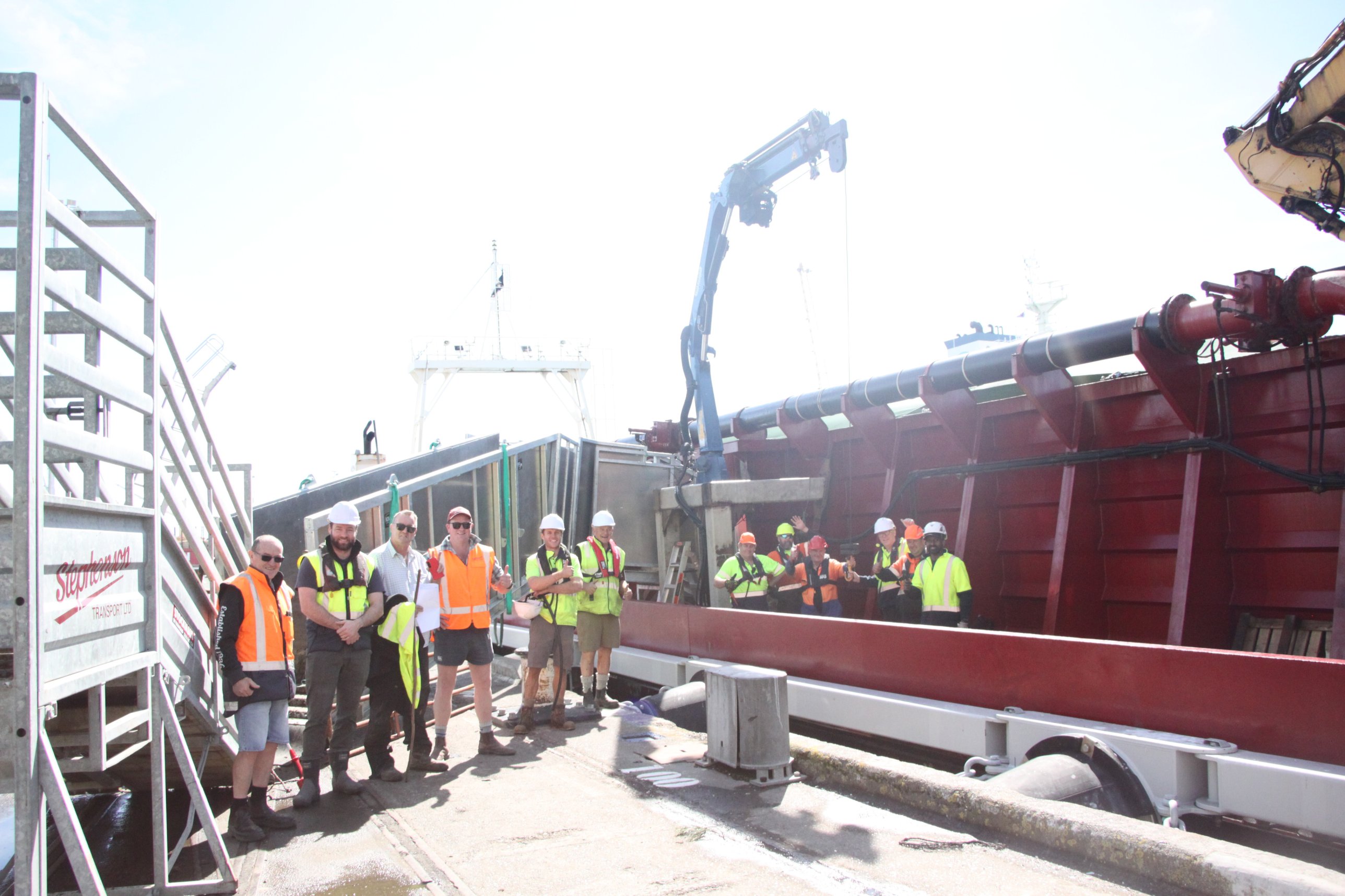
We launch the Chatham Islands freight and livestock service with Nova Marine Carriers, with the William Fraser shipping 597 cattle to Napier.
The fourth and fifth generations
Callum represents the fourth generation, and his children Fraser, Nelson and Anna the fifth. All three have a keen interest in the family businesses.
Today we charter ocean-going vessels, run quarries on Karamuramu Island and at Cambridge, and supply and distribute sand, cement and aggregates across New Zealand by road and sea. We also carry livestock and freight to and from the Chatham Islands.

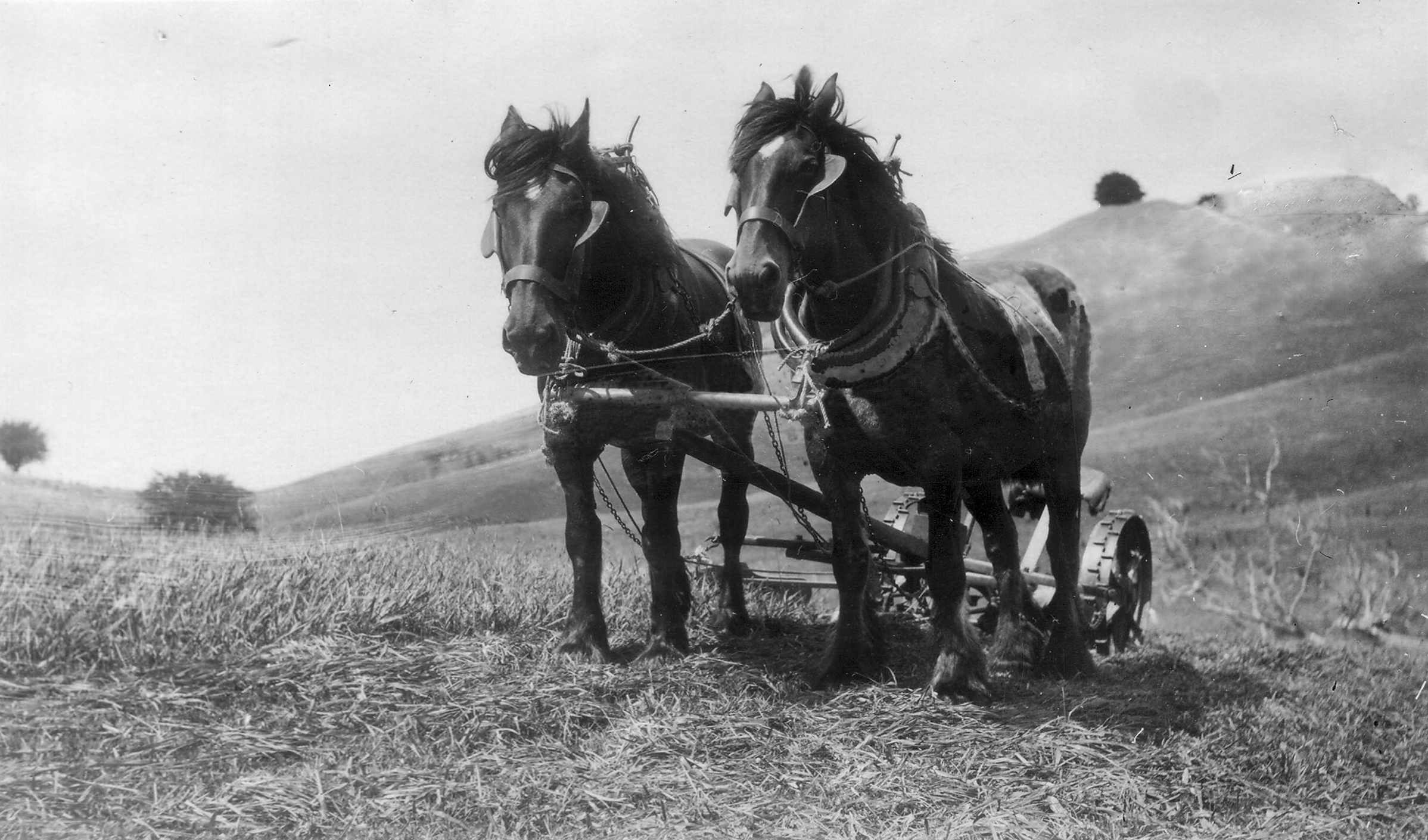
Scows, horses and hard work

Explore McCallum Bros
The products and services that carry the story on.
Work with a family business
More than a century on, we’re still family owned and still delivering for Auckland. Tell us what you need.
Enquire now